Starting a business is exciting, but it also comes with risks. One of the smartest ways to protect yourself while building your business is by forming an LLC.
If you’re new to this, don’t worry — the process is actually straightforward. In this guide, I’ll walk you through everything step by step, using simple language so you can understand exactly what to do.
What is an LLC?
An LLC, or Limited Liability Company, is a type of business structure that separates your personal life from your business.
What does that mean in real terms?
If your business ever gets into legal trouble or owes money, your personal assets — like your house, car, or personal bank account — are usually protected.
That’s the main reason why so many freelancers, online business owners, and small entrepreneurs choose an LLC.
Another important thing to know is that LLCs are formed at the state level, so the rules, fees, and timelines are different depending on where you register your business.
In most cases:
- It costs somewhere between $30 and $350 to start
- You can get approved within a few days to a couple of weeks
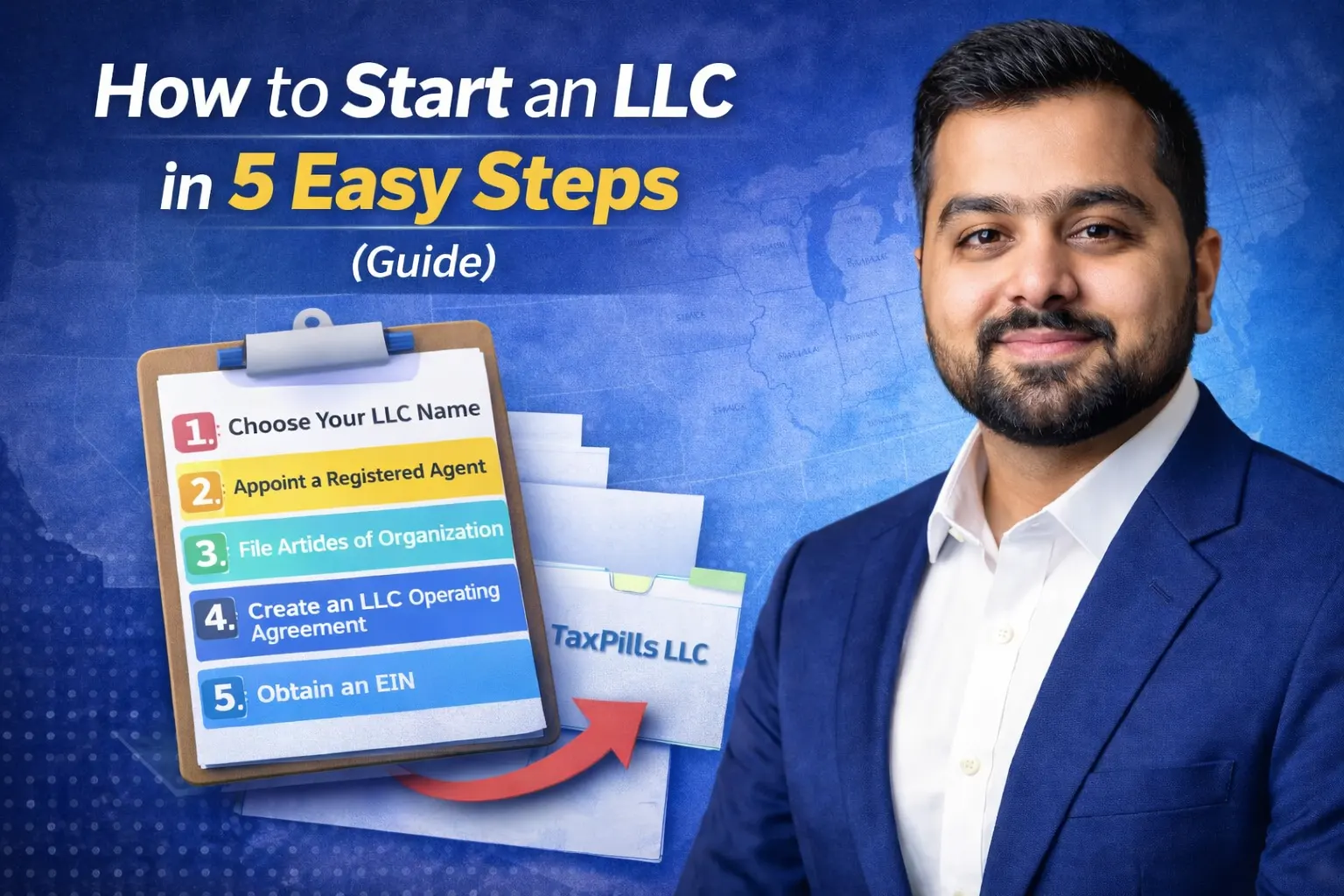
The 5 Steps to Start an LLC
Let’s break this down into simple steps you can actually follow.
- Choose an LLC Name
- Select a Registered Agent
- File Articles of Organization
- Create an Operating Agreement
- Get an EIN
Choose Your State to Start an LLC
To form your LLC yourself, select your state from the list below:
| State | LLC Guide |
|---|---|
| Alabama | Alabama LLC |
| Alaska | Alaska LLC |
| Arizona | Arizona LLC |
| Arkansas | Arkansas LLC |
| California | California LLC |
| Colorado | Colorado LLC |
| Connecticut | Connecticut LLC |
| Delaware | Delaware LLC |
| Florida | Florida LLC |
| Georgia | Georgia LLC |
| Hawaii | Hawaii LLC |
| Idaho | Idaho LLC |
| Illinois | Illinois LLC |
| Indiana | Indiana LLC |
| Iowa | Iowa LLC |
| Kansas | Kansas LLC |
| Kentucky | Kentucky LLC |
| Louisiana | Louisiana LLC |
| Maine | Maine LLC |
| Maryland | Maryland LLC |
| Massachusetts | Massachusetts LLC |
| Michigan | Michigan LLC |
| Minnesota | Minnesota LLC |
| Mississippi | Mississippi LLC |
| Missouri | Missouri LLC |
| Montana | Montana LLC |
| Nebraska | Nebraska LLC |
| Nevada | Nevada LLC |
| New Hampshire | New Hampshire LLC |
| New Jersey | New Jersey LLC |
| New Mexico | New Mexico LLC |
| New York | New York LLC |
| North Carolina | North Carolina LLC |
| North Dakota | North Dakota LLC |
| Ohio | Ohio LLC |
| Oklahoma | Oklahoma LLC |
| Oregon | Oregon LLC |
| Pennsylvania | Pennsylvania LLC |
| Rhode Island | Rhode Island LLC |
| South Carolina | South Carolina LLC |
| South Dakota | South Dakota LLC |
| Tennessee | Tennessee LLC |
| Texas | Texas LLC |
| Utah | Utah LLC |
| Vermont | Vermont LLC |
| Virginia | Virginia LLC |
| Washington | Washington LLC |
| Washington DC | Washington DC LLC |
| West Virginia | West Virginia LLC |
| Wisconsin | Wisconsin LLC |
| Wyoming | Wyoming LLC |
Step 1: Choose Your LLC Name
The first thing you need is a business name — and not just any name.
Your LLC name must be unique in your state, meaning no other business can already be using it.
So before you get too attached to a name, you should:
- Search your state’s business database
- Make sure the name isn’t already taken
- Follow your state’s naming rules (like adding “LLC” at the end)
If your name doesn’t meet the rules, your application can get rejected — which delays everything. So it’s worth doing this step carefully.
Step 2: Choose a Registered Agent
Next, you’ll need something called a Registered Agent.
This is simply a person or company that receives official documents for your LLC — things like legal notices or government mail.
You have a few options here:
- You can be your own Registered Agent
- You can use a friend or family member
- Or you can hire a professional service
There’s one important rule:
The Registered Agent must have a physical address in the state where your LLC is formed.
Also, keep in mind that this address becomes part of public records. That’s why many people choose a service — it keeps their personal address private.
Step 3: File the Articles of Organization
This is the step where your LLC officially becomes real.
You’ll need to file a document with your state called the Articles of Organization. In some states, it might have a slightly different name, like Certificate of Formation — but it’s the same thing.
This document usually asks for basic details like:
- Your LLC name
- Your business address
- Your Registered Agent information
- How your LLC will be managed
- The name of the person filing (called the organizer)
Once you submit this form and pay the filing fee, your LLC is in process.
The cost typically ranges from $50 to $150, depending on the state.
As for timing:
- Online filings can be approved the same day or within a few days
- Mail filings take longer because of shipping and processing time
Some states also offer faster processing if you pay an extra fee.
Should You Hire a Filing Service?
Using a professional LLC filing service doesn’t speed up state approval but ensures:
- Proper paperwork submission
- Compliance with state rules
- Privacy protection (some services use their address to keep yours off public records)
If you want expert help, our team at TaxPills LLC can guide you through the entire process and make sure everything is filed correctly.
We help business owners with:
- LLC formation and registration
- EIN application guidance
- Registered agent setup
- Compliance and filing support
If you’d like help starting your LLC quickly and correctly, you can contact our team directly on WhatsApp.
Chat with us on WhatsApp:
Step 4: Create an Operating Agreement
Now that your LLC is formed, it’s time to set the rules.
An Operating Agreement is a document that explains how your business will run.
It covers things like:
- Who owns the business
- How profits are shared
- What each person is responsible for
- How decisions are made
Even if you’re the only owner, this document is still important.
Why?
Because it shows that your business is being run properly — which can help protect your liability status if there’s ever a legal issue.
Also, many banks will ask for this document when you open a business account.
The good news is:
You don’t need to file it with the state. Just create it and keep it with your records.
Step 5: Get an EIN (Tax ID Number)
The final step is getting an EIN from the IRS.
An EIN (Employer Identification Number) is basically like a Social Security number for your business.
You’ll need it for:
- Filing taxes
- Opening a business bank account
- Hiring employees
- Applying for licenses
The best part? It’s completely free.
If you’re a U.S. resident with an SSN or ITIN, you can apply online and get it instantly.
If you’re a non-U.S. resident, you can still apply — but you’ll need to do it by fax or mail, which takes a bit longer.
What Happens After Your LLC is Approved?
Once your LLC is officially registered, there are a few important things you should do next:
- Open a business bank account
- Get any required licenses or permits
- Stay on top of annual reports (if your state requires them)
- Make sure you understand your tax responsibilities
These steps help keep your business compliant and running smoothly.
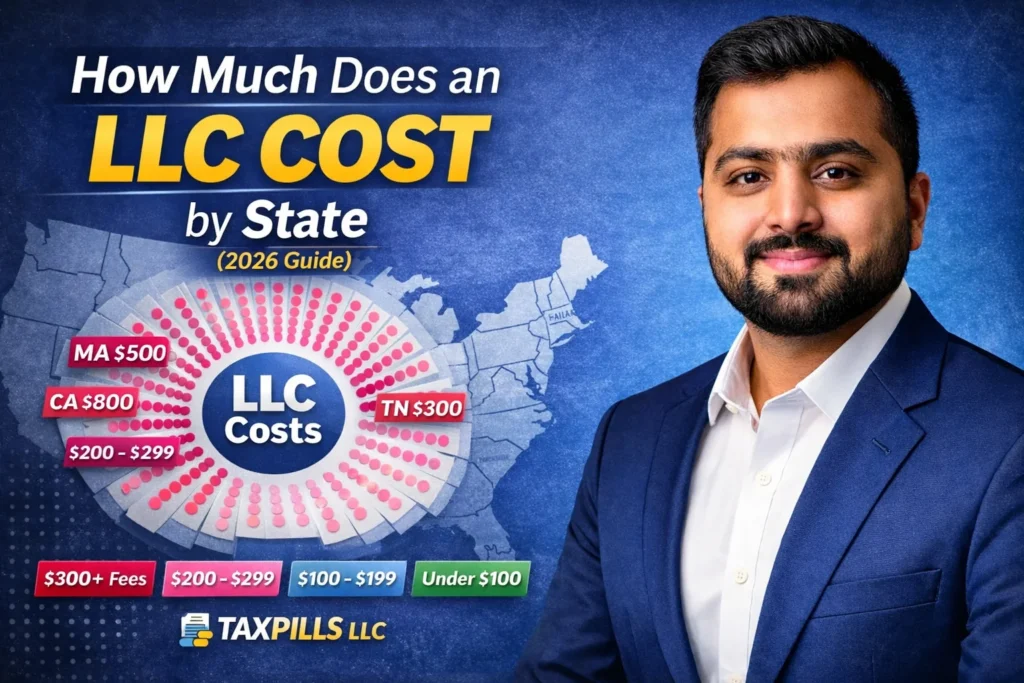
How Much Does It Cost to Start an LLC?
The total cost depends on how you choose to set things up.
Here’s a simple breakdown:
- State filing fee: $30 to $350
- Registered Agent (optional): up to $150 per year
- Operating Agreement: usually free if you create it yourself
- EIN: free
If you hire a service, they’ll charge an additional fee — but they’ll handle everything for you.
How Long Does It Take to Form an LLC?
There’s no single answer because it depends on your state and how you file.
In general:
- Online filing is the fastest — often same day to a few days
- Mail filing can take several weeks
Some states also offer expedited processing if you’re in a hurry.
Should You Hire a Service or Do It Yourself?
You can absolutely form an LLC on your own — many people do.
But hiring a service can be helpful if you:
- Want to save time
- Don’t want to deal with paperwork
- Want to avoid mistakes
- Prefer to keep your address private
It really depends on your situation and how comfortable you are handling the process.
Starting an LLC might sound complicated at first, but once you break it down into steps, it’s actually very manageable.
If you follow the process carefully — choosing the right name, filing the correct documents, and staying compliant — you can have your business up and running in no time.
Whether you decide to do it yourself or get professional help, the important thing is to take that first step and build your business the right way.
Frequently Asked Questions
1. Can I start an LLC without a business plan?
Yes, you can legally form an LLC without a formal business plan. However, having one helps you stay organized and makes it easier to grow your business.
2. Do I need a physical office to start an LLC?
No, you don’t need an office. You can run your LLC from home or even online. You just need a valid address for your Registered Agent.
3. Can a non-U.S. resident start an LLC?
Yes, non-U.S. residents can form an LLC in the United States. However, they may need additional steps, such as applying for an EIN without an SSN.
4. Do I need a business license after forming an LLC?
It depends on your business type and location. Some businesses require local, state, or federal licenses before operating legally.
5. Can I change my LLC name later?
Yes, but you’ll need to file an amendment with your state and pay a fee. It’s better to choose the right name from the beginning.
6. What is the difference between member-managed and manager-managed LLC?
In a member-managed LLC, owners run the business. In a manager-managed LLC, designated managers handle operations, which may or may not include owners.
7. Do I need a separate bank account for my LLC?
Yes, it’s strongly recommended. Keeping business and personal finances separate helps maintain liability protection and simplifies accounting.
8. What happens if I don’t maintain my LLC properly?
Your LLC can lose its “good standing” status, face penalties, or even be dissolved by the state if you don’t meet requirements like filing annual reports.
9. Can I have multiple businesses under one LLC?
Yes, you can operate multiple business activities under one LLC, but for liability protection, some owners prefer creating separate LLCs.
10. Is an LLC better than a corporation?
It depends on your goals. LLCs are simpler and more flexible, while corporations may be better for raising investment or issuing shares.
11. Do I need an accountant for my LLC?
Not required, but highly recommended. An accountant can help you stay compliant and optimize your taxes.
12. Can I open a U.S. bank account for my LLC from abroad?
Yes, but it may require visiting the U.S. or using specific fintech solutions, depending on the bank.
13. What taxes does an LLC have to pay?
LLCs typically pay income tax through the owner’s personal return, along with possible self-employment tax and state taxes.
14. Can I close my LLC if I no longer need it?
Yes, you can dissolve your LLC by filing the proper documents with your state and settling any outstanding obligations.
15. Do I need a website to start an LLC?
No, but having a website can help build credibility and attract customers, especially for online businesses.
16. Can I start an LLC online?
Yes, most states allow online filing, and it’s usually the fastest option.
17. Do I need a Registered Agent?
Yes, it’s required in every state.
18. Can I form an LLC in any state?
You can, but in most cases, it’s best to form it in your home state unless you have a specific reason.
19. Do LLCs pay taxes?
LLCs usually don’t pay taxes directly. Instead, profits pass through to the owner’s personal tax return.
20. What’s the difference between an LLC and a sole proprietorship?
An LLC offers liability protection, while a sole proprietorship does not.